

Helping Kids Adjust to Change: Starting a New School Year with Confidence
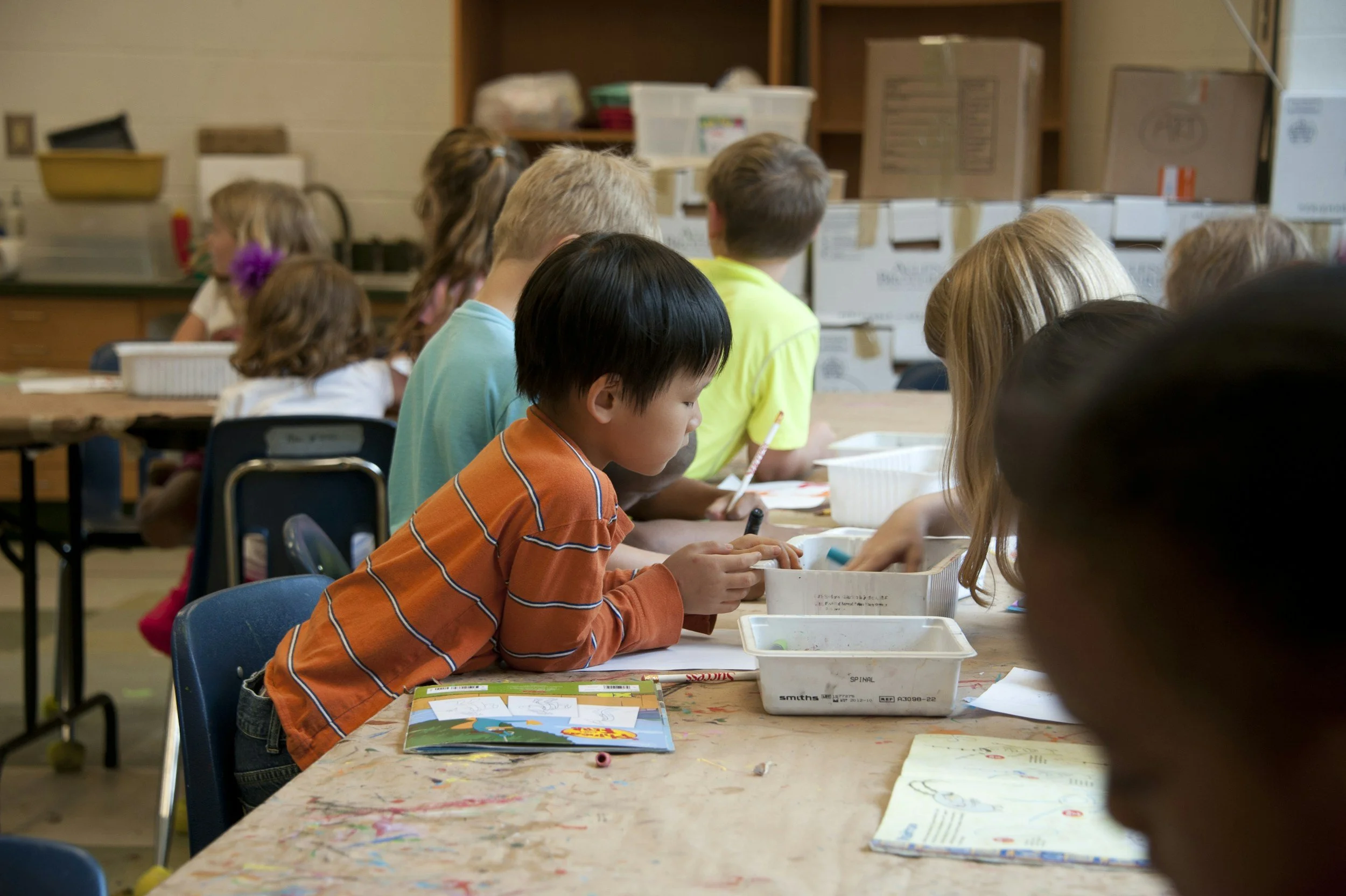
Supporting emotional wellbeing early helps children feel safer, stronger, and more capable as they grow.
The start of a new school year is a time of fresh notebooks, new friendships, and new possibilities—but for many children, it can also bring uncertainty, worry, and big emotions. Even children who generally cope well can feel unsettled by changes in routine, expectations, or environment.
Supporting children through this transition isn’t about eliminating anxiety altogether. It’s about helping them feel safe, prepared, and confident enough to face what’s new.Loss isn’t just about what’s missing. It’s also a teacher. If you allow yourself to feel it — instead of rushing past it — it can reveal resilience, strength, and a deeper understanding of yourself.
Why Change Feels Big for Children
Children thrive on predictability. School transitions often involve multiple changes at once: new teachers, classrooms, peers, rules, and daily rhythms. For some children, this can trigger anxiety, sleep disruptions, emotional outbursts, or physical complaints such as headaches or stomach aches.
These responses aren’t signs of weakness—they’re signs that a child’s nervous system is adjusting.
The Power of Predictable Routines
One of the most effective ways to support children during times of change is through consistent routines. Predictability helps children feel grounded and gives them a sense of control when other things feel unfamiliar.
Helpful routines might include:
A consistent morning and bedtime schedule
Preparing school items the night before
A calm, predictable goodbye ritual
Regular after-school check-ins
Even small routines can send a powerful message: You are safe, and this is manageable.
Reducing Anxiety Through Emotional Safety
Children don’t always have the words to explain their worries. Creating space for open, non-judgemental conversations allows them to express concerns without feeling dismissed or rushed.
You might try:
Asking open questions like, “What are you most curious about?” or “What feels a bit tricky right now?”
Normalising nervous feelings by acknowledging that new beginnings can feel uncomfortable
Reassuring them that feelings can change—and that support is always available
When children feel emotionally heard, anxiety often softens on its own.
Building Confidence and Excitement
Alongside reassurance, it’s important to help children connect with the positive possibilities of a new school year. Confidence grows when children feel capable and curious rather than pressured.
Ways to gently build excitement include:
Focusing on strengths they already have
Talking about opportunities to learn, grow, or try something new
Allowing them to personalise aspects of their school experience, such as choosing stationery or organising their bag
Celebrating courage—not just outcomes
Confidence isn’t about being fearless. It’s about knowing you can cope even when things feel uncertain.
Supporting Yourself as a Parent or Caregiver
Children often pick up on adult stress, even when nothing is said. Taking care of your own emotions during transitions helps create a calmer environment for your child.
Pausing, breathing, and reminding yourself that adjustment takes time can make a meaningful difference. Change doesn’t have to be rushed to be successful.
A Gentle Reminder
Every child adjusts at their own pace. Some settle quickly, while others need more reassurance and time. What matters most is not perfection, but connection, consistency, and compassion.
With the right support, a new school year can become not just a challenge—but an opportunity for growth, confidence, and resilience. You’re welcome to contact me to discuss how counselling support may assist your child during this period of adjustment.